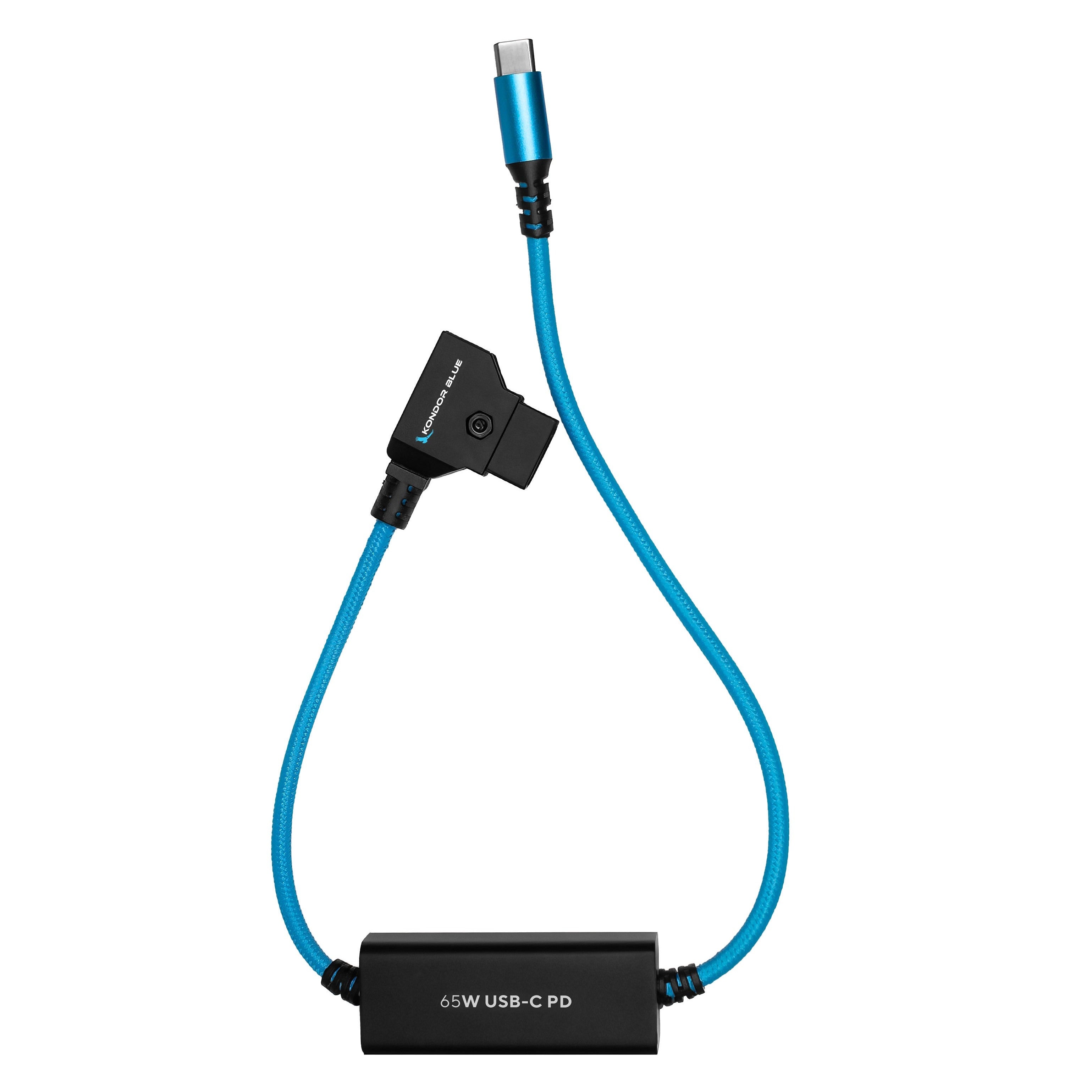
Understanding Power Delivery: How It Works and Why You Need It
Power Delivery (PD) is a standardized protocol that enables faster and more efficient charging of devices via USB-C connections. By utilizing higher power levels — up to 100 watts — PD technology allows for not only charging smartphones and tablets but also powering laptops and other essentials. This capability is achieved through a smart communication process where devices negotiate the power requirements and supply accordingly. Understanding how Power Delivery functions can significantly enhance your tech experience, especially in our increasingly mobile world.
The importance of Power Delivery extends beyond just speed; it also offers compatibility across a wide range of devices. With PD, you can charge various gadgets using a single cable, reducing clutter and increasing convenience. Additionally, it supports multiple protocols, allowing for seamless communication between devices, which optimizes charging efficiency. Whether you're a tech enthusiast or simply looking to streamline your gadget use, being aware of Power Delivery is essential in making informed decisions and maximizing the potential of your devices.
Counter-Strike is a highly competitive first-person shooter that has gained immense popularity since its release. It pits two teams, terrorists and counter-terrorists, against each other in various objective-based scenarios. Players rely on strategy, teamwork, and skill to achieve victory. Whether you're looking to improve your gameplay or equip your setup, consider checking out the Top 10 usb c hubs for macbook to enhance your gaming experience.
The Top 5 Benefits of Power Delivery for Your Devices
Power Delivery (PD) technology has revolutionized the way we charge and power our devices, offering numerous advantages for users. First and foremost, one of the top benefits is the faster charging capabilities that PD provides. Traditional charging methods can take hours, but with Power Delivery, devices can achieve a full charge in a fraction of the time, allowing you to get back to using your devices more quickly. This is particularly beneficial for power-hungry devices like smartphones and laptops, which often require extended charging periods.
Additionally, Power Delivery offers universal compatibility across a wide range of devices. With the use of a single USB-C port, you can charge everything from your smartphone to your laptop without needing multiple cables and chargers. This not only minimizes clutter but also enhances convenience for users on the go. Furthermore, PD technology can adapt the power output based on the device's requirements, ensuring that each gadget receives just the right amount of power it needs for safe and efficient charging.
Is Your Device Compatible? A Guide to Power Delivery Standards
With the growing prevalence of USB-C technology, it's essential to ensure your devices are compatible with the various Power Delivery standards. USB Power Delivery (USB PD) allows devices to negotiate power requirements for faster charging and efficient energy use. This means that a device must support USB PD to benefit from rapid charging capabilities. To determine if your device is compatible, check the specifications provided by the manufacturer or look for the USB-IF logo indicating compliance with USB PD standards. Not all USB-C cables support Power Delivery, so be sure to use the correct cables that meet these higher power requirements.
In addition to USB PD, it’s crucial to recognize that different devices may have varying voltage and amperage requirements. Some typical Power Delivery profiles include 5V, 9V, 15V, and 20V, with power ranging from 18W to 100W. To ensure optimal performance and safety, consider the following tips:
- Compare your device's power requirements with the charger specifications.
- Invest in high-quality cables that support the maximum wattage your device can handle.
- Be cautious with third-party chargers; always opt for reputable brands to avoid compatibility issues.