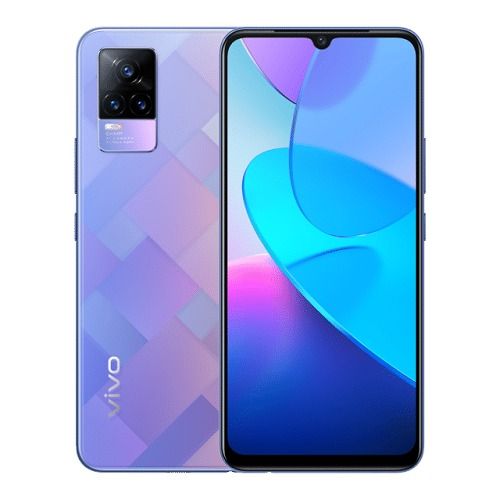
The Double-Edged Sword: Why Your Phone Is Both a Lifesaver and a Distraction
In today's fast-paced world, our phones have become essential tools that can significantly enhance our lives. They provide instant access to information, connect us with loved ones, and offer a myriad of applications designed to improve productivity. For instance, with a simple tap, we can navigate unfamiliar places, set reminders for important tasks, and even attend virtual meetings from the comfort of our homes. This incredible functionality makes our phones a true lifesaver in emergency situations or busy daily routines.
However, the same device that can keep us organized and connected can also serve as a considerable distraction. Notifications, social media, and countless entertainment options can pull us away from essential tasks and face-to-face interactions. According to a recent study, the average person checks their phone over 150 times a day, which can lead to decreased productivity and increased feelings of anxiety. Thus, it's crucial to find a balance between utilizing our phones as a helpful resource and managing their potential to derail our focus.
Counter-Strike is a highly popular team-based first-person shooter that has become a cornerstone of the esports scene. Players join either the terrorist or counter-terrorist team to complete objectives or eliminate the opposing team. To enhance your gaming setup, you might consider investing in gear like a stabilizer for your mobile device while you strategize, check out the Top 10 iphone gimbals to find the best options.
10 Signs Your Smartphone Might Be Sabotaging Your Life
In today's digital age, our smartphones have become an integral part of our daily lives. However, they can also be a source of significant distraction and stress. If you find yourself constantly scrolling through social media or checking your notifications, it may be time to assess how your device is impacting your well-being. Here are 10 signs your smartphone might be sabotaging your life:
- You feel anxious when you’re away from your phone. If you experience feelings of panic or unease when you don’t have access to your device, it could signal an unhealthy dependence.
- You struggle to focus. Frequent notifications and the urge to check your phone can break your concentration, making it difficult to complete tasks or enjoy meaningful activities.
- Your sleep quality has declined. Using your smartphone right before bed can disrupt your sleep patterns, leading to fatigue and irritability.
- You often compare yourself to others online. Social media can create unrealistic expectations and lead to feelings of inadequacy.
- Your relationships are suffering. If you find yourself prioritizing your phone over face-to-face interactions, it may be time to reevaluate.
Is Your Phone a Friend or Foe? Identifying the Red Flags of Mobile Dependence
In today's hyper-connected world, our smartphones have become indispensable companions, serving as tools for communication, entertainment, and productivity. However, when does this reliance turn from a friend into a foe? Identifying the red flags of mobile dependence is crucial for maintaining a healthy relationship with technology. Some signs to look out for include:
- Constant Checking: If you find yourself reaching for your phone during social interactions or feeling anxious when it's out of reach, this could indicate dependence.
- Screen Time Overload: Spending excessive hours on your device, often exceeding recommended usage guidelines, is a red flag.
- Notification Overwhelm: If the constant buzzing and pinging distract you from important tasks or reduce your productivity, it may be time to reassess your relationship with your device.
Moreover, mobile dependence can affect not only your mental health but also your physical well-being. The addiction to screens often leads to issues like eye strain and sleep disturbances, disrupting daily routines. A helpful way to combat these behaviors is to set boundaries, such as designating phone-free times or creating tech-free zones at home. Remember, while your phone can be a great friend, it's essential to recognize when it starts to take a toll on your life. Reflecting on your habits and making conscious adjustments can transform your device back into a supportive tool rather than an overwhelming presence.