The Evolution of Wireless Technology: From Walkie-Talkies to 5G
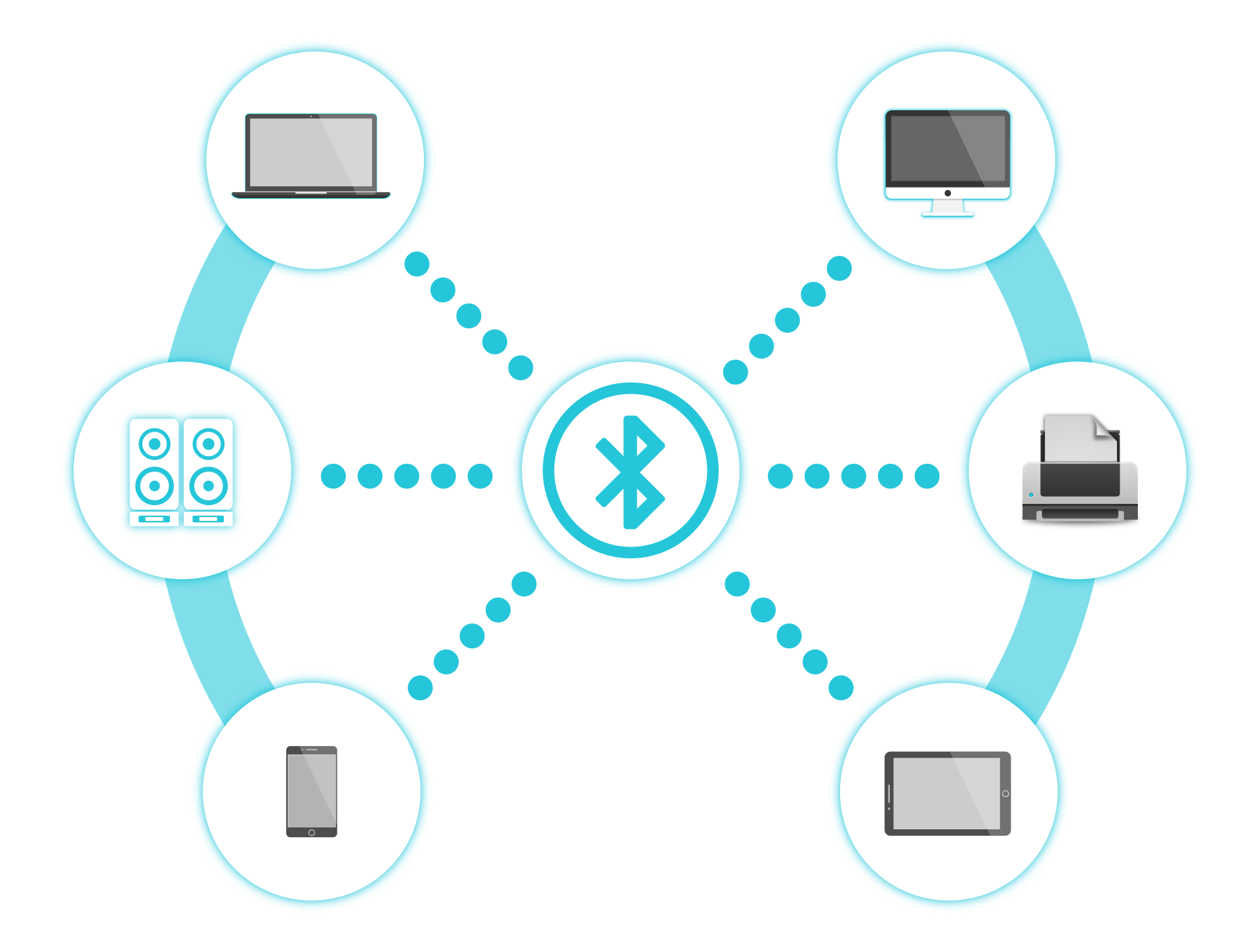
The evolution of wireless technology has transformed the way we communicate, starting from simple devices like walkie-talkies to the lightning-fast capabilities of 5G. In the early 20th century, walkie-talkies revolutionized communication for military personnel and emergency responders, providing them with a reliable means of instant communication without the necessity for wires. As technology progressed, other wireless systems emerged, such as the analog cellular networks in the 1980s, which enabled mobile phones to become a household accessory. This progression laid the groundwork for more sophisticated technologies, ultimately leading to the digital revolution of the late 1990s and early 2000s, where data began to be transmitted over cellular networks, and the concept of smartphones began to take shape.
Fast forward to today, 5G technology is now at the forefront, promising not only improved speed but also enhanced connectivity and lower latency. This new generation of wireless technology is a game-changer, impacting various sectors such as healthcare, transportation, and entertainment. With features like massive device connectivity and ultra-reliable low-latency communication, 5G has opened doors to innovative applications such as smart cities, autonomous vehicles, and enhanced virtual reality experiences. As wireless technology continues to evolve, it showcases an impressive trajectory that has fundamentally changed our daily lives and how we interact with the world around us.
Counter-Strike is a highly popular first-person shooter game that has captivated players since its release in the late 1990s. With its team-based gameplay and strategic elements, it has fostered a competitive esports scene around the world. Players often discuss various equipment and accessories to enhance their gaming experience, such as Top 10 Hard Shell Cases for AirPods to protect their gear while gaming.
How Wireless Connectivity is Revolutionizing Work and Education
In today's fast-paced world, wired and wireless connectivity have transformed the way we conduct both work and educational activities. This transition is particularly noticeable in remote work environments and online learning platforms. With the advent of wireless technology, employees can connect from virtually anywhere, enabling them to maintain productivity without the constraints of a physical office. Furthermore, students can access educational resources and collaborate with peers in real-time, fostering a dynamic and interactive learning experience. The shift towards wireless connectivity has made flexibility and accessibility central to modern work and learning.
As businesses and educational institutions adapt to this revolution, the benefits of wireless connectivity continue to expand. Enhanced communication tools, such as video conferencing and collaborative platforms, empower teams and students to engage more effectively. Additionally, the integration of smart technology within classrooms and workplaces has created opportunities for innovative teaching and project management methods. In summary, the rise of wireless connectivity is not merely a trend; it is a significant shift that is reshaping our approach to work and education, offering novel solutions for productivity and learning that align with the demands of the digital age.
Are We Becoming Too Dependent on Wireless Technology?
The rise of wireless technology has undeniably transformed our daily lives, making communication and access to information more convenient than ever before. However, are we becoming too dependent on wireless technology? This question looms over our society as we increasingly rely on smartphones, tablets, and other portable devices for tasks that were once accomplished through face-to-face interaction or traditional means. While these advancements offer significant benefits, such as instant connectivity and a wealth of resources at our fingertips, they also raise concerns about our diminishing ability to engage in direct communication and our reliance on devices for basic functions.
Moreover, the implications of this dependence extend beyond personal interactions. According to a recent survey, over 70% of individuals indicated that they feel anxious or lost without their wireless devices. This dependency can have profound effects on mental health, productivity, and even our ability to think critically. In essence, while wireless technology has brought numerous advantages, we must reflect on the potential consequences of our growing reliance. Balancing the benefits of technology with intentional detachment may be necessary to cultivate healthier habits and maintain essential interpersonal skills.