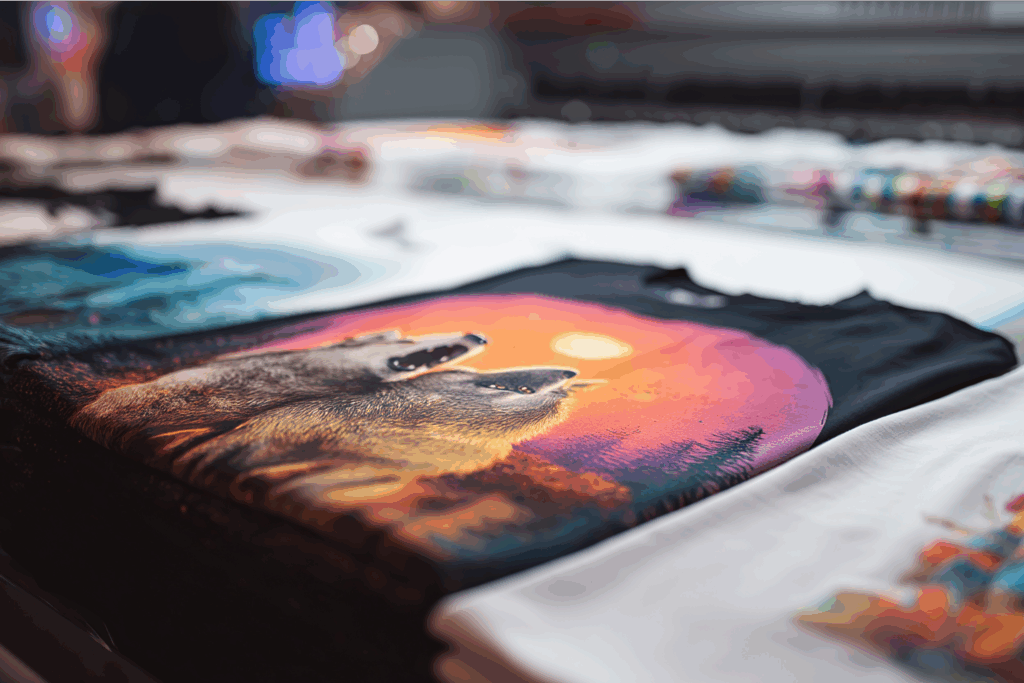
The Art of Screen Printing: A Step-by-Step Guide for Beginners
The Art of Screen Printing is an exciting and creative process that allows you to produce stunning designs on various materials. For beginners, mastering this technique can be both rewarding and a bit daunting. In this guide, we will walk you through the essential steps of screen printing, from preparing your design to printing the final product. You will learn about the necessary materials, tools, and techniques, as well as some tips to avoid common pitfalls. By following these steps, you’ll be well on your way to creating unique prints that showcase your artistic flair.
To get started with screen printing, follow these simple steps:
- Gather Your Materials: You will need a screen, squeegee, ink, and the fabric you wish to print on.
- Create Your Design: Use graphic design software or hand-draw your design. Remember that the design should be suitable for the medium you are printing on.
- Prepare the Screen: Coat your screen with a light-sensitive emulsion and let it dry in a dark place.
- Expose the Screen: Place your design on the screen and expose it to UV light to create a stencil.
- Start Printing: Once your screen is prepared, place it on the fabric, apply the ink, and use the squeegee to press the ink through the screen.
If you're a fan of the popular anime and manga series, you might want to check out a hunter x hunter shop for unique merchandise. From clothing to collectibles, this shop offers a variety of items that any true fan would love. Explore the latest designs and show off your favorite characters!
Unleashing Creativity: Exploring the World of Direct-to-Garment Printing
In today's fast-paced world, Direct-to-Garment (DTG) printing has emerged as a revolutionary technique that empowers individuals and businesses to unleash their creativity. Unlike traditional printing methods, DTG allows for high-quality, full-color designs to be printed directly onto garments. This means that artists and entrepreneurs can experiment with intricate graphics and vibrant colors without the limitations often posed by screen printing. With just a digital file and a DTG printer, the possibilities are virtually endless, allowing for the creation of unique apparel that truly reflects personal expression.
Moreover, the DTG printing process is highly efficient and environmentally friendly, making it an attractive option for those looking to enter the custom apparel market. It supports small batch production, which is perfect for independent designers and businesses wanting to minimize waste and inventory costs. As we delve deeper into the world of DTG printing, we discover not just its technical advantages but also its potential to foster creativity in various fields—from fashion design to promotional materials. Whether you're an artist looking to showcase your work or a business owner aiming to differentiate your brand, DTG printing is a game changer that opens new doors for creativity.
Choosing the Right T-Shirt Fabric: What Works Best for Your Design?
When it comes to choosing the right t-shirt fabric for your design, understanding the different types of materials available is crucial. Cotton is perhaps the most popular choice due to its softness, breathability, and durability. However, if you're looking for something that drapes beautifully and is lightweight, consider fabrics like polyester or a cotton-polyester blend. Each of these fabrics has unique qualities that can enhance the overall look and feel of your design. For instance, polyester dries quickly, making it a great choice for athletic wear, while cotton is perfect for casual everyday shirts.
Additionally, you should consider the printing technique you plan to use when selecting your fabric. Some methods, such as direct-to-garment printing, work best on 100% cotton, while others, like screen printing, may be more versatile across various fabric blends. Think about your audience and the intended use of the t-shirts; for example, if comfort is a priority for your customers, opting for a high-quality cotton will likely make your designs more appealing. Lastly, don't forget to take care of the fabric in terms of washing and maintenance, as this will affect the longevity of both the shirt and your print design.