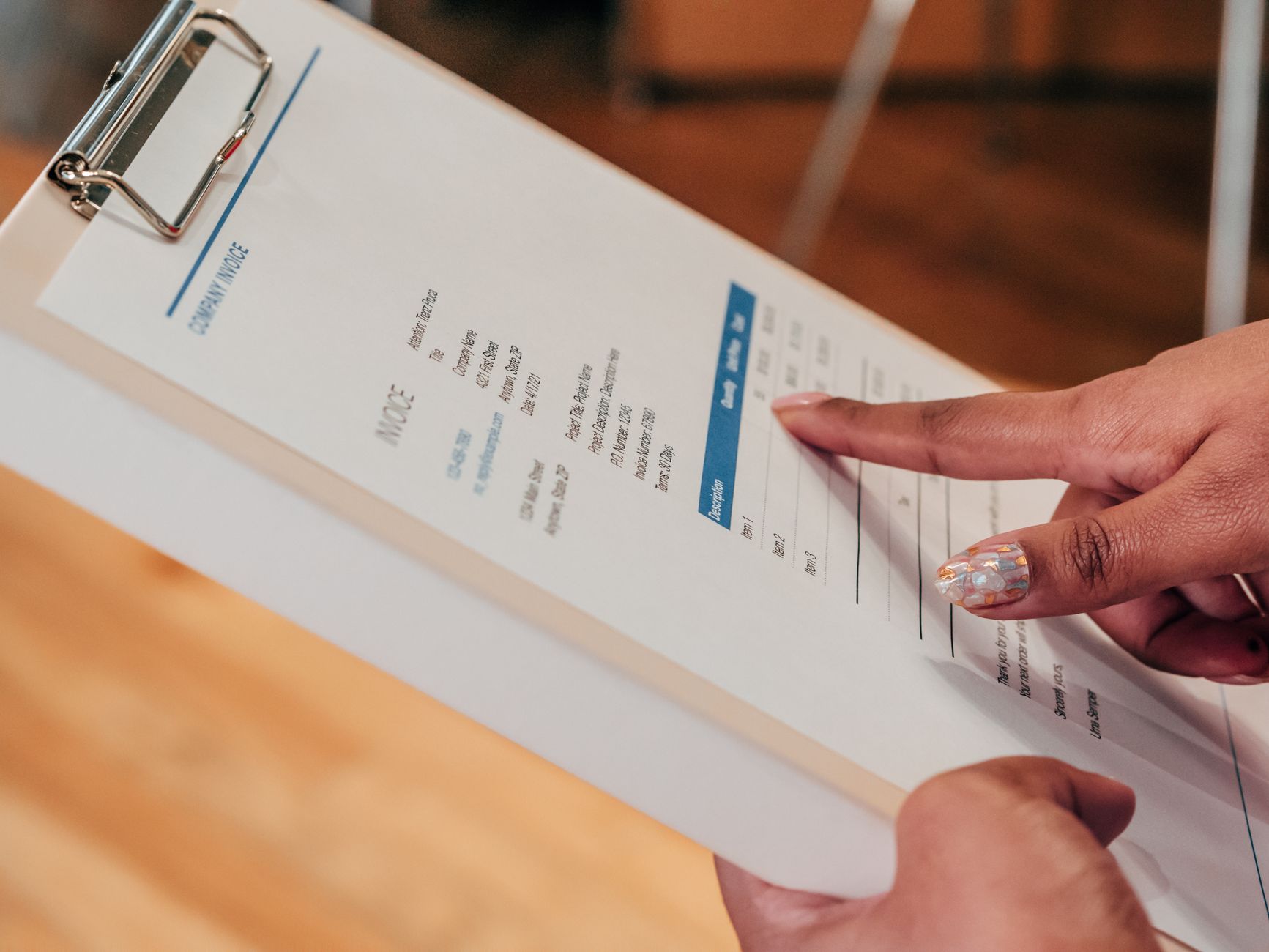
Understanding E-Invoicing in the UAE: What it Means for Your Business & How it Works
The UAE is on the cusp of a significant digital transformation with the impending mandate for e-invoicing across all businesses. This isn't merely an upgrade to digital receipts; it's a fundamental shift in how transactions are documented, verified, and reported, designed to enhance transparency, combat fraud, and streamline the VAT collection process for the Federal Tax Authority (FTA). Businesses operating within the UAE need to understand that this move aligns with global trends and best practices in tax administration, positioning the Emirates as a leader in digital governance. Failure to prepare and adapt could lead to non-compliance, penalties, and operational disruptions. Therefore, grasping the core tenets of this regulatory change is paramount for sustained business operations and future growth.
At its core, e-invoicing in the UAE will likely involve a structured data format for invoices, such as XML, that can be transmitted directly from a seller's system to a buyer's system, and potentially to the FTA, in real-time or near real-time. This eliminates paper-based processes and often involves certified e-invoicing solution providers. The system will likely encompass several key stages:
- Invoice Generation: Creating invoices in a compliant digital format.
- Digital Signature: Authenticating the invoice to ensure its integrity and origin.
- Transmission: Securely sending the e-invoice to the recipient and potentially reporting it to the FTA.
- Archiving: Storing e-invoices electronically for audit purposes and legal compliance.
Understanding these mechanisms is crucial for businesses to select appropriate software, integrate with existing ERP systems, and train staff effectively, ensuring a smooth transition to the new digital invoicing ecosystem.
E-invoicing, or electronic invoicing, is a modern method of exchanging and processing invoices between suppliers and buyers in a structured digital format. It goes beyond simply sending a PDF via email, involving the transmission of invoice data directly from one accounting system to another. To learn more about what is e-invoicing and how it streamlines financial operations, you can explore various resources.
Your E-Invoicing Action Plan: Practical Steps for Compliance, Common Challenges & Expert Tips
Developing a robust e-invoicing action plan is paramount for seamless compliance and operational efficiency. Begin by conducting a thorough internal audit of your current invoicing processes, identifying key stakeholders and potential technical integration points. This involves not only understanding your existing accounting software capabilities but also assessing the broader IT infrastructure. A crucial early step is to educate your finance and IT teams on the specific mandates of relevant e-invoicing regulations (e.g., Peppol, specific country-level requirements), ensuring everyone understands their role in the transition. Consider forming a dedicated project team to oversee the implementation, from vendor selection for e-invoicing solutions to pilot testing and eventual rollout. Early engagement with your chosen solution provider will be key to tailoring a strategy that aligns with your unique business needs and existing systems.
While the benefits of e-invoicing are clear, businesses often encounter several common challenges during implementation. One significant hurdle is the integration with legacy systems, which can require custom development or the use of middleware to ensure data flow is accurate and complete. Another frequent issue is managing the diverse regulatory landscapes across different regions; a solution that works in one country may not be compliant in another, necessitating a flexible and scalable approach. Furthermore, ensuring data security and privacy throughout the e-invoicing lifecycle is non-negotiable, requiring robust encryption and access controls. Expert tips for navigating these challenges include prioritizing a phased implementation, investing in comprehensive staff training, and leveraging the expertise of an experienced e-invoicing service provider. Their knowledge can help anticipate pitfalls and streamline the journey to full compliance, preventing costly delays and penalties.