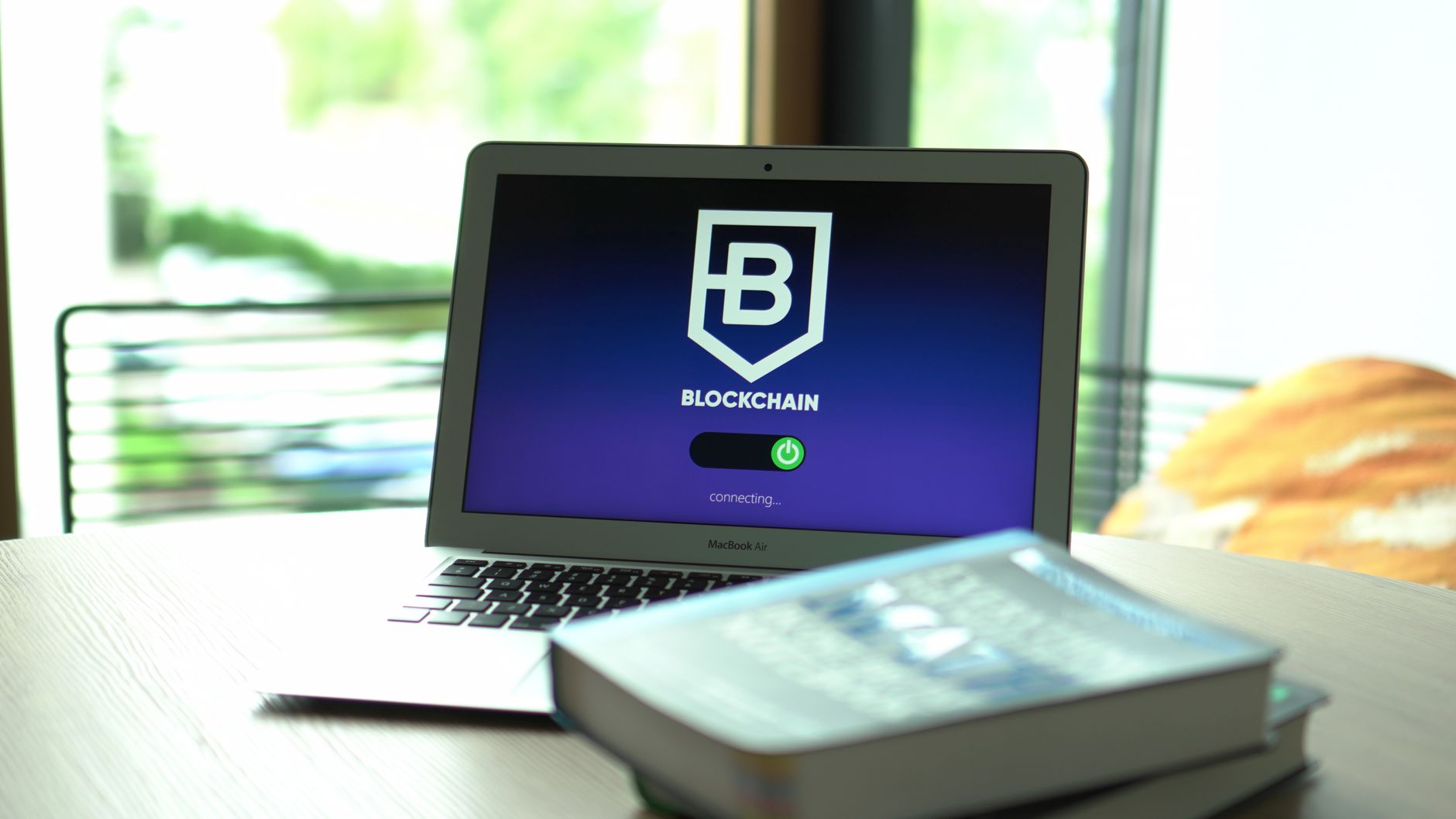
Choosing Your Crypto Wallet: Hot vs. Cold, & Why it Matters for Your First Bet
When making your initial foray into the exciting world of crypto betting, one of the most crucial decisions you'll face is selecting the right crypto wallet. This isn't just about convenience; it's fundamentally about security. Wallets are broadly categorized as hot wallets and cold wallets, each offering distinct advantages and disadvantages. Hot wallets are internet-connected, making them incredibly accessible for quick transactions and active trading. Think of them as your everyday checking account – easy to use but potentially more vulnerable to online threats. Examples include web wallets, mobile apps, and exchange wallets. While convenient for placing your first bet quickly, they present a higher risk if compromised, as your private keys are stored online.
Conversely, cold wallets prioritize security above all else. They are offline storage solutions, meaning your private keys are never exposed to the internet, significantly reducing the risk of hacking or malware attacks. These are akin to a secure savings account, ideal for holding larger sums of cryptocurrency that you don't intend to actively trade. Hardware wallets, such as Ledger or Trezor, are prime examples, resembling a USB drive that securely stores your crypto. Paper wallets, though less common now, also fall into this category. For your very first bet, a hot wallet might seem more practical due to its ease of use. However, understanding the inherent security trade-offs is paramount. For long-term holdings or substantial amounts, a cold wallet is undoubtedly the more prudent choice, offering peace of mind by keeping your digital assets truly safe.
Decentralized betting leverages blockchain technology to create transparent and secure platforms, eliminating the need for traditional intermediaries. This innovative approach to wagering offers enhanced privacy and provably fair outcomes for participants worldwide. To learn more about decentralized betting, explore platforms that prioritize user autonomy and cryptographic security.
Funding Your Wallet & Making Your First Deposit: Practical Steps and Common FAQs
Once you've chosen a cryptocurrency exchange, the next crucial step is funding your digital wallet. This typically involves linking a traditional payment method, such as a bank account via ACH transfer, a debit card, or even a credit card (though credit card deposits often come with higher fees and are not universally supported due to their reversible nature). Some platforms also facilitate transfers through third-party payment processors like PayPal or Wise. It's essential to familiarize yourself with the specific deposit methods offered by your chosen exchange, as well as any associated fees and processing times. Most exchanges have clear, step-by-step guides within their interface to walk you through this initial funding process, ensuring a smooth transition from fiat currency to cryptocurrency.
Making your first deposit, while seemingly straightforward, often sparks a few common questions.
How long does a deposit take to clear? Are there minimum or maximum deposit limits? What are the fees involved?Generally, ACH transfers can take 3-5 business days, while debit card deposits are often instantaneous but may incur a small percentage fee. Credit card deposits, if available, are usually instant but come with the highest fees. Most exchanges have clearly stated minimum deposit amounts, often as low as $10 or $20, making cryptocurrency accessible to a wide range of investors. Always double-check these details in the exchange's FAQ or support section before initiating a transfer to avoid unexpected delays or charges, ensuring you're fully informed throughout the process.