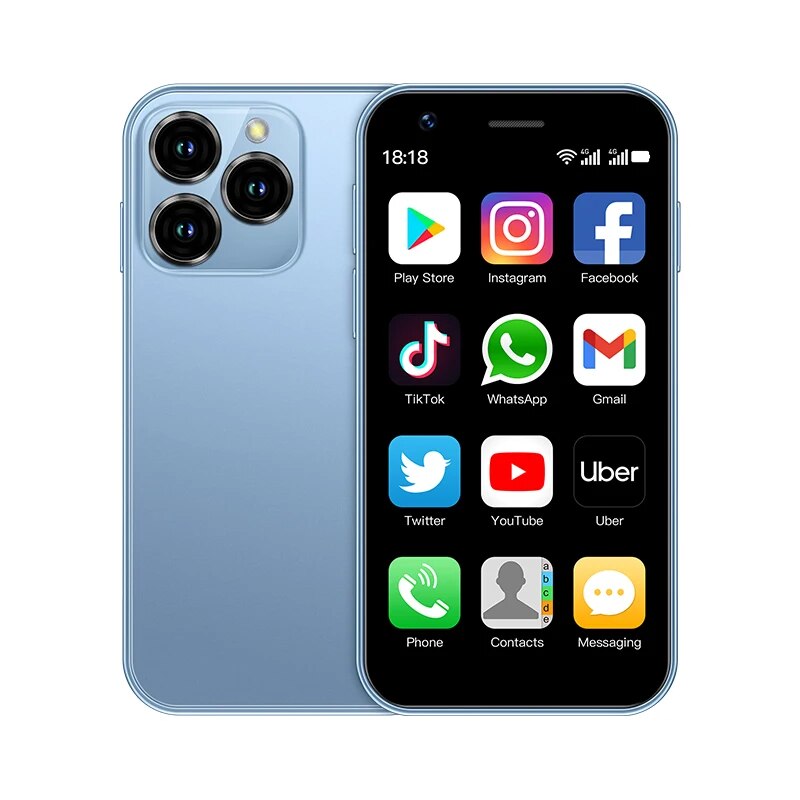
10 Surprising Features of Smartphones That Will Change Your Daily Routine
Smartphones have transformed the way we live, and some of their most surprising features can significantly enhance your daily routine. For instance, many modern smartphones come equipped with a digital assistant, such as Siri or Google Assistant, that can help manage your schedule, set reminders, or even control smart home devices with simple voice commands. Imagine waking up and asking your phone for the day's agenda while you brew your coffee; this feature not only saves time but also helps streamline tasks.
Another unexpected benefit is the health monitoring capabilities native to most smartphones today. Equipped with sensors that track heart rate, steps, and even blood oxygen levels, these devices enable users to monitor their fitness effortlessly. In fact, many smartphones can sync with fitness apps and smartwatches to provide a comprehensive overview of your health journey. Incorporating such smartphone features into your daily routine can motivate you to stay active and mindful of your health.
Counter Strike is a highly popular tactical first-person shooter game that has captured the attention of millions of players worldwide. It focuses on team-based gameplay, where players can choose to be part of either the terrorist team or the counter-terrorist team. The game's strategic depth and competitive nature have made it a staple in the esports community. If you're interested in capturing the action in your own gaming, check out the Top 10 Camera Grips for iPhone 17 for the best accessories to enhance your gaming experience.
How Smartphones Have Revolutionized Communication: A Deep Dive
The advent of smartphones has fundamentally transformed the way we communicate, bridging the gap between people across the globe. With the integration of internet connectivity, social media, and instant messaging apps, smartphones allow for real-time communication, breaking down geographical barriers that once made correspondence a lengthy process. The introduction of features such as video calling and voice messaging has further enhanced interpersonal connections, making it easier than ever to stay in touch with family and friends. This evolution in communication has not only influenced personal relationships but has also revolutionized professional interactions, enabling remote work and fostering collaboration across diverse teams.
Moreover, the role of smartphones in modern communication extends beyond simple text and voice interactions. Platforms like WhatsApp, Facebook Messenger, and even Slack have redefined how businesses operate and communicate in real-time. Today, information can be disseminated instantly, paving the way for trends to emerge overnight through viral content. News outlets have also adapted to this new reality, providing updates via mobile alerts that keep users informed at all times. Overall, the versatility and accessibility of smartphones have not only catered to our personal communication needs but have also reshaped our societal structures and norms.
Are Smartphones Making Us Smarter or Dumber? Exploring the Impact on Society
The advent of smartphones has transformed the way we communicate, access information, and interact with the world around us. On one hand, they are powerful tools that provide us with instant access to knowledge and resources, effectively empowering us to learn and stay informed. For instance, educational apps and online learning platforms have revolutionized personal development, allowing users to acquire new skills anytime and anywhere. Furthermore, smartphones facilitate connectivity and collaboration, enabling people to share ideas and innovate at unprecedented levels, which can be seen as a clear sign that these devices may be making us smarter.
On the flip side, there is a growing concern that smartphones could be contributing to a decline in critical thinking skills and overall cognitive function. The reliance on quick answers from search engines can discourage deep learning and comprehension, leading to a culture of information overload and diminished attention spans. Research indicates that excessive smartphone use may also foster social isolation, as face-to-face interactions decline in favor of virtual communication. Thus, while smartphones offer vast opportunities for growth, they may simultaneously be making us dumber by eroding essential cognitive and social skills.