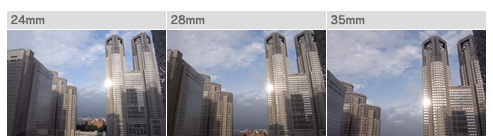
Exploring the Beauty of Wide Angle Photography: Tips and Techniques
Wide angle photography is a captivating way to explore and capture the world around us. This technique not only allows photographers to include a larger field of view in their images but also enhances the sense of depth and space. To get started, it's important to choose the right lens; typically, a wide angle lens has a focal length of 35mm or lower on a full-frame camera. Experimenting with different compositions can lead to stunning results. Utilize leading lines, such as roads or rivers, to draw the viewer's eye into the image, creating a sense of journey and exploration.
Additionally, mastering the technique of wide angle photography involves understanding how to manage distortion and point of interest. Here are a few tips to enhance your wide angle shots:
- Get Closer: Make subjects more prominent by framing them closely.
- Check Your Horizon: Keep the horizon straight to avoid disorientation.
- Use Foreground Elements: Incorporate interesting foregrounds to add depth.
By combining these techniques, you'll be well on your way to capturing breathtaking wide angle photographs that showcase the beauty of your surroundings.
Counter-Strike is a highly popular tactical first-person shooter game that pits teams of terrorists against counter-terrorists in various objective-based scenarios. Players must utilize strategy, teamwork, and precision shooting to accomplish their objectives and eliminate the opposing team. For those who enjoy mobile photography, check out the Top 10 iphone camera lenses to enhance their skills and capture stunning images.
How to Create Stunning Landscape Shots with a Wide Angle Lens
Capturing breathtaking landscapes is an art, and using a wide angle lens can elevate your photography to new heights. To create stunning landscape shots, it’s crucial to understand the unique characteristics of wide-angle lenses. These lenses allow you to incorporate more of the scene into your frame, emphasizing foreground details while stretching the background. This effect can create a sense of depth and perspective that draws viewers into the image. Experiment with different compositions, such as leading lines or foreground interest, to enhance the overall visual impact of your landscapes.
When shooting with a wide angle lens, lighting plays a pivotal role in your landscape photography. The golden hours—shortly after sunrise or before sunset—are ideal times to capture stunning images with soft, warm tones. Additionally, don't hesitate to include elements of foreground interest such as rocks, flowers, or flowing water, as these can lead the viewer's eye into the frame. Remember to adjust your aperture settings; a smaller aperture (like f/8 or f/11) can help achieve a greater depth of field and keep both foreground and background elements in focus, resulting in a more polished and professional-looking landscape shot.
What Makes Wide Angle Photography a Unique Perspective on Life?
Wide angle photography offers a distinct perspective that enables photographers to capture more of a scene in a single frame. By utilizing a lens with a focal length typically ranging from 14mm to 35mm, photographers can emphasize the spatial relationships between foreground and background elements. This creates a sense of depth and immersion that invites viewers to experience the scene as if they were standing right there. Wide angle photography elevates ordinary moments, transforming the mundane into captivating visuals by showcasing the vastness of landscapes or the intricacies of architectural details.
Moreover, one of the most intriguing aspects of wide angle photography is its ability to evoke emotions through composition. By incorporating leading lines, dramatic skies, and expansive vistas, photographers can guide the viewer's eye toward a focal point, creating a narrative within the image. Whether it’s capturing the serenity of a vast seascape or the bustling energy of a crowded city street, this technique harnesses the breadth of a scene while imbibing it with visceral storytelling. Ultimately, wide angle photography not only broadens the physical perspective but also enriches the emotional experience of the viewer.