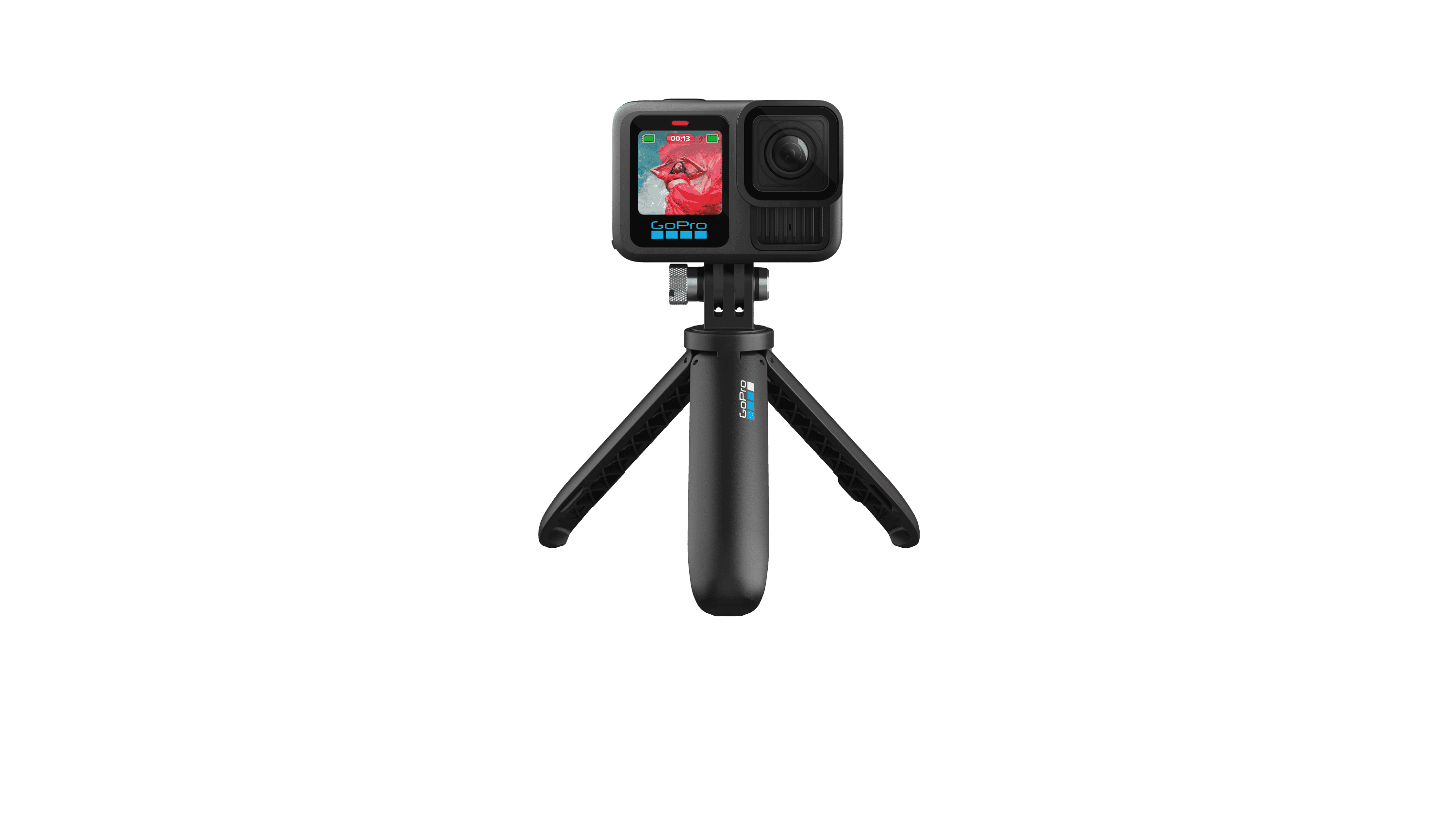
The Essential Guide to Choosing the Right Tripod for Your Photography Needs
Choosing the right tripod is crucial for achieving optimal results in your photography. A good tripod not only provides stability but also enhances your ability to shoot in various conditions. When selecting a tripod, consider these essential factors: height, weight, material, and load capacity. For instance, a lightweight aluminum tripod might be ideal for travel, while a heavier carbon fiber option offers increased stability for studio work. Additionally, ensure the tripod’s height can accommodate your shooting style, whether you prefer shooting from a low angle or standing up.
Another important aspect to keep in mind is the type of head that your tripod has.
- Ball heads are versatile and allow for quick adjustments.
- Pan-and-tilt heads offer more precise control, ideal for landscape or architectural photography.
- Gimbal heads are perfect for wildlife photography where smooth movement is essential.
Counter-Strike is a popular first-person shooter game that pits teams of terrorists against counter-terrorists in various modes and maps. Players can choose from different weapons and strategies to outsmart their opponents and complete objectives. For those looking to enhance their photography skills on the go, check out our Top 10 iphone photography accessories that can help elevate your mobile photography.
How Tripods Can Transform Your Creative Process: Tips and Techniques
Using a tripod can significantly enhance your creative process by providing stability and consistency in your shots. One of the key benefits is that it allows for long exposure photography, where you can capture stunning images in low light without the risk of camera shake. Additionally, a tripod enables you to experiment with different angles and heights, opening up new perspectives that you might not have considered otherwise. Consider these tips for making the most of your tripod:
- Choose the right height and leg extension for comfort.
- Utilize a remote shutter release to avoid movement when taking the picture.
- Experiment with different compositions while maintaining the stability of the camera.
Incorporating a tripod into your workflow can also encourage a more deliberate approach to your photography. By setting up your camera and taking the time to frame your shot, you naturally become more engaged with the scene in front of you. This mindfulness can lead to more creative and thoughtful compositions. Remember to explore different techniques, such as:
- Time-lapse photography for dynamic storytelling.
- Using bracketing for high dynamic range (HDR) images.
- Incorporating motion into your shots, like panning or tilting, while maintaining the stability of the background.
What Makes a Great Shot? Exploring the Connection Between Stability and Creativity
When it comes to photography, stability is a crucial element that can greatly influence the outcome of your shot. A stable foundation allows for clearer images and reduces the risk of blurriness, providing a sharp focus that captures the subject's essence. Techniques to enhance stability include using tripods, stabilizers, and ensuring proper body positioning. By integrating these methods, photographers can focus more on their creative instincts without worrying about their technical execution. This balance between stability and creativity helps in producing stunning visuals that resonate with viewers.
However, creativity is equally important in crafting a memorable shot. It is the artistic vision that breathes life into photography, transcending mere technical ability. Embracing unique angles, experimenting with lighting, and utilizing compositional rules can lead to captivating results. Remember, creativity flourishes in an environment that encourages exploration. By pushing the limits of your stability, you give yourself the freedom to innovate and surprise your audience with breathtaking imagery that engages and inspires.